
Toy Story 5 isn't about toys: Pixar's hard message about tech responsibility
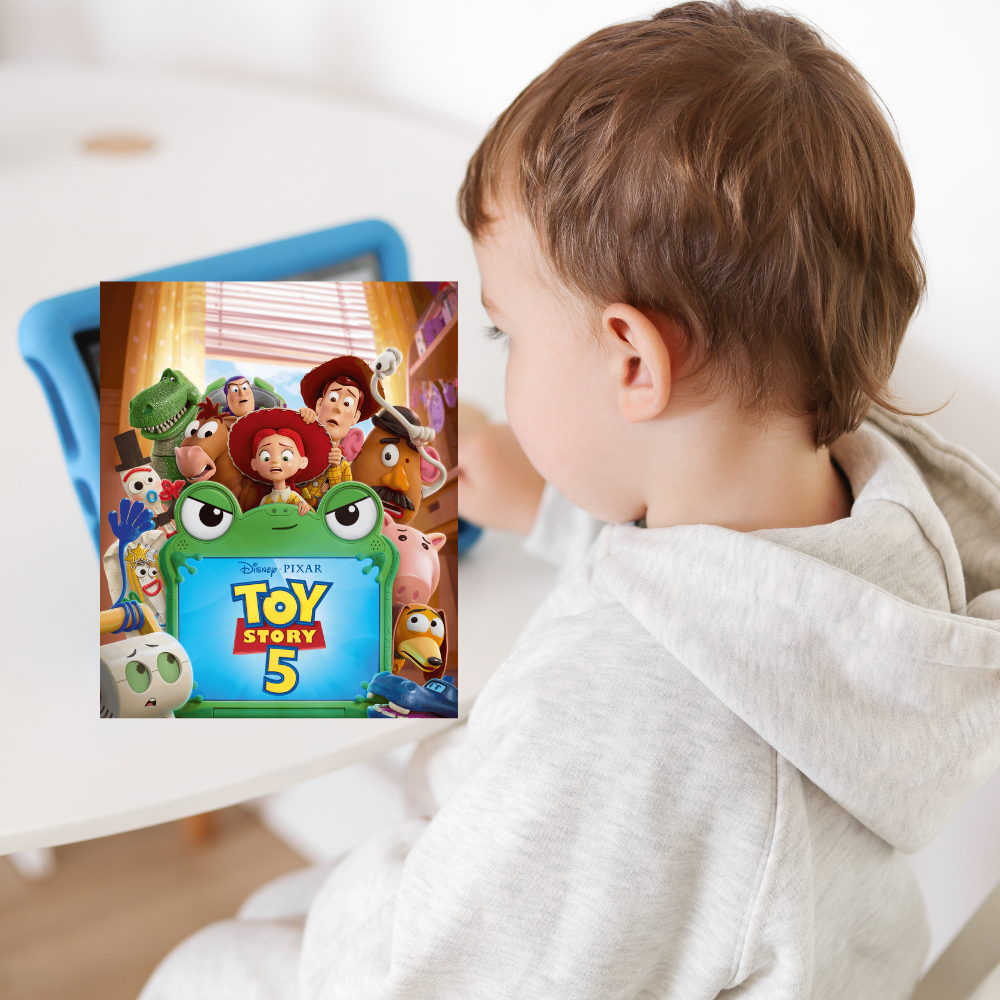
DIAGNOSIS. The recent Toy Story 5 release frontally exposes the cultural clash between traditional play and hyper-digitalization. The plot follows an 8-year-old Bonnie who, chasing social acceptance, abandons her toys for Lilypad, a smart tablet. The central conflict isn't between villainous toys and heroes, but against the attention economy. The film shows a whole neighborhood of children isolated and glued to screens, tackling real consequences like cyberbullying and tech-mediated social exclusion. As Woody puts it in the film: "Toys are for playing, but technology is for everything."
RECOMMENDATION. Those of us who build technology, automations and digital ecosystems must take responsibility for how we design our products. Technology isn't neutral; its architecture dictates behavior. Designing to retain user attention at any cost generates short-term metrics but destroys the social fabric and mental health in the long run, especially in vulnerable demographics.
ALTERNATIVES. Transition from persuasive design (built to create addiction) to empowering design. That means building tech tools that act as bridges to the physical world and real interpersonal relationships, not as substitutes for them. Technology should require the minimum attention necessary to fulfill its function.
METRICS. To measure the impact of a responsible product, audit Time Well Spent. Evaluate whether the tool shortened the time needed to solve a problem, returning that time to the user, rather than maximizing session minutes on the platform.
RISKS. Implementing tech responsibility policies can reduce shallow engagement in the short term, which usually clashes directly with the growth expectations of investors and traditional boards.
NEXT STEP. Add a Second-Order Impact stage to product ideation processes. Before shipping a feature, the team must answer: how does this affect our user's routine off-screen? If the answer is that it isolates them more, the architecture must be redesigned.